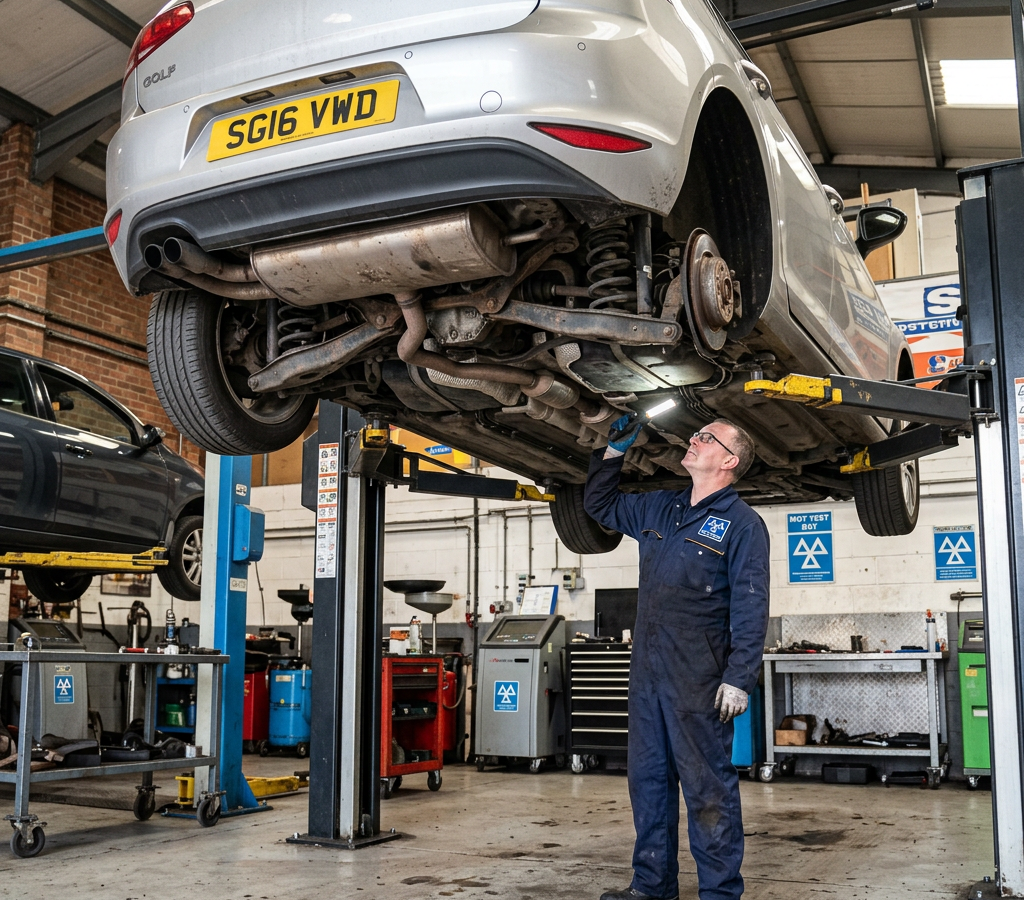
Your annual MOT is one of the most important checks your vehicle will undergo. While many motorists see it as just another item on their to-do list, an MOT plays a vital role in ensuring your car is safe to drive and meets the minimum legal standards required on UK roads.
Whether it’s your first MOT or you’ve been driving for years, here’s everything you need to know.
What is an MOT?
An MOT (Ministry of Transport) test is a legal requirement for most vehicles over three years old in the UK. The test is designed to ensure your vehicle meets the minimum road safety and environmental standards set by the government.
It’s important to remember that an MOT is not the same as a vehicle service. An MOT checks whether your vehicle is safe and roadworthy at the time of testing, whereas a service focuses on maintaining your vehicle’s long-term health and reliability.
When Does My Vehicle Need an MOT?
Most cars require their first MOT when they are three years old, with a new test required every 12 months thereafter.
Driving without a valid MOT certificate can result in:
- A fine of up to £1,000.
- Your insurance being affected.
- Potential issues if you’re involved in an accident.
- Your vehicle being deemed illegal to drive (unless travelling directly to a pre-booked MOT appointment or repair).
Booking your MOT before it expires helps you avoid unnecessary stress and keeps you legally on the road.
What Does an MOT Check?
During the test, a qualified MOT tester will inspect numerous safety-related components, including:
- Brakes
- Tyres and wheels
- Suspension
- Steering
- Lights and indicators
- Windscreen and wipers
- Mirrors
- Seatbelts
- Exhaust system
- Vehicle emissions
- Horn
- Registration plates
- Doors and locks
Over 150 individual checks are carried out during a standard MOT inspection.
Common Reasons Vehicles Fail Their MOT
Many MOT failures are caused by simple issues that could have been identified beforehand.
Some of the most common reasons include:
- Worn or damaged tyres
- Faulty bulbs
- Worn brake pads or discs
- Windscreen damage
- Worn windscreen wipers
- Suspension wear
- Excessive exhaust emissions
Carrying out a few simple checks before your appointment can greatly improve your chances of passing first time.
How to Improve Your Chances of Passing
Before bringing your vehicle in, it’s worth spending just a few minutes checking:
- All exterior lights are working.
- Tyres have at least 1.6mm tread depth and are correctly inflated.
- Windscreen washer bottle is full.
- Windscreen wipers clear the screen effectively.
- Number plates are clean and easy to read.
- Your horn works.
- Seatbelts fasten securely.
These quick checks can often prevent unnecessary failures.
What Happens If My Vehicle Fails?
If your vehicle doesn’t pass its MOT, don’t panic.
You’ll receive a list of any defects found during the inspection, categorised as:
- Dangerous – The vehicle must not be driven until repaired.
- Major – Repairs are required before an MOT certificate can be issued.
- Minor – The vehicle passes, but the issue should be repaired as soon as possible.
- Advisory – Components that may need attention in the near future.
Having repairs completed promptly helps keep your vehicle safe and prevents small issues becoming expensive ones.
Why Regular Servicing Still Matters
Although an MOT confirms your vehicle meets the legal minimum standard, it doesn’t replace routine servicing.
Regular servicing helps to:
- Improve reliability.
- Reduce the chance of unexpected breakdowns.
- Maintain fuel efficiency.
- Extend the life of your vehicle.
- Identify problems before they become costly repairs.
Combining annual servicing with your MOT is often the most convenient and cost-effective approach.
Book Your MOT With Confidence
Our experienced technicians carry out thorough MOT inspections using the latest testing equipment, providing honest advice and transparent pricing every step of the way.
Whether your MOT is due soon or you’d simply like peace of mind before a long journey, we’re here to help keep your vehicle safe, reliable and road legal.
Need to book your MOT? Contact our friendly team today and we’ll help get you back on the road with confidence.